
Quick Read
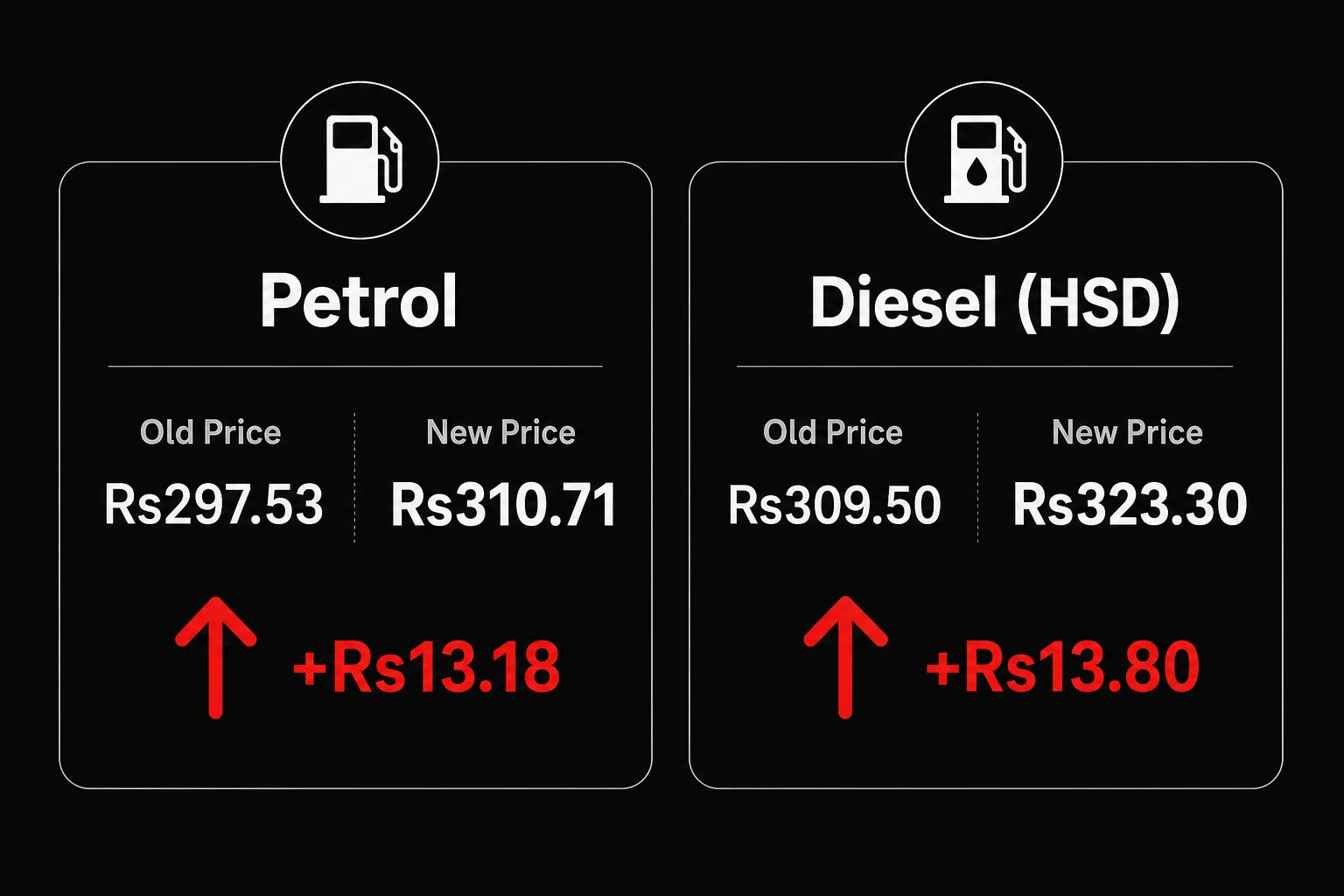
The government raised petrol to Rs. 310.71 per litre (+Rs. 13.18) and diesel to Rs. 323.30 per litre (+Rs. 13.80), effective July 11, 2026. The trigger: US-Iran military escalation disrupting global oil shipments through the Strait of Hormuz. For car owners in Lahore, the increase translates to a noticeably heavier fuel bill every week - and a stronger case for keeping your car running as efficiently as possible.
What the New Prices Look Like
Here is a full breakdown of the revised fuel rates announced by the Petroleum Division on July 10, 2026:
The government switched to weekly fuel price reviews on February 28, 2026, when Middle East tensions first began affecting global oil markets. This latest revision is part of that ongoing weekly cycle.
Why Prices Went Up This Time
The short answer: global oil markets are under pressure, and Pakistan's fuel prices move with them.
On July 9, 2026, Iranian forces launched retaliatory strikes on US military infrastructure in Gulf states, escalating a conflict that has been running since February. The Strait of Hormuz - the narrow waterway through which roughly 20% of daily global oil and gas supplies flow - has been partially disrupted as a result.
When supply through a chokepoint like that tightens, crude prices react quickly. Brent crude was trading around $75.78 per barrel at the time of the announcement. Pakistan's Oil and Gas Regulatory Authority (OGRA) factors these international benchmarks directly into its weekly reviews, which is why local pump prices shifted by Rs. 13 overnight.
What This Means for You as a Car Owner
If you fill a 40-litre tank, you are now paying around Rs. 527 more per fill-up on petrol compared to last week. For daily drivers who fill up two or three times a month, that adds Rs. 1,000 to Rs. 1,600 to your monthly running cost, before considering any further hikes.
Diesel users face a bigger jump per litre. This matters most for SUV and pickup owners, but the knock-on effect hits everyone - higher diesel costs raise transport expenses, which feed into higher prices for food and goods at the market.
There is no certainty about where prices go from here. The weekly review system means next week's numbers depend on how the situation in the Gulf develops. Prices could stay elevated, increase further, or ease - it depends on factors none of us control.
How to Get More Out of Every Litre
When pump prices rise, your car's fuel efficiency becomes more valuable. A poorly maintained engine burns more fuel than it needs to, which means you are effectively paying more per kilometre without realising it.
A few habits that make a real difference:
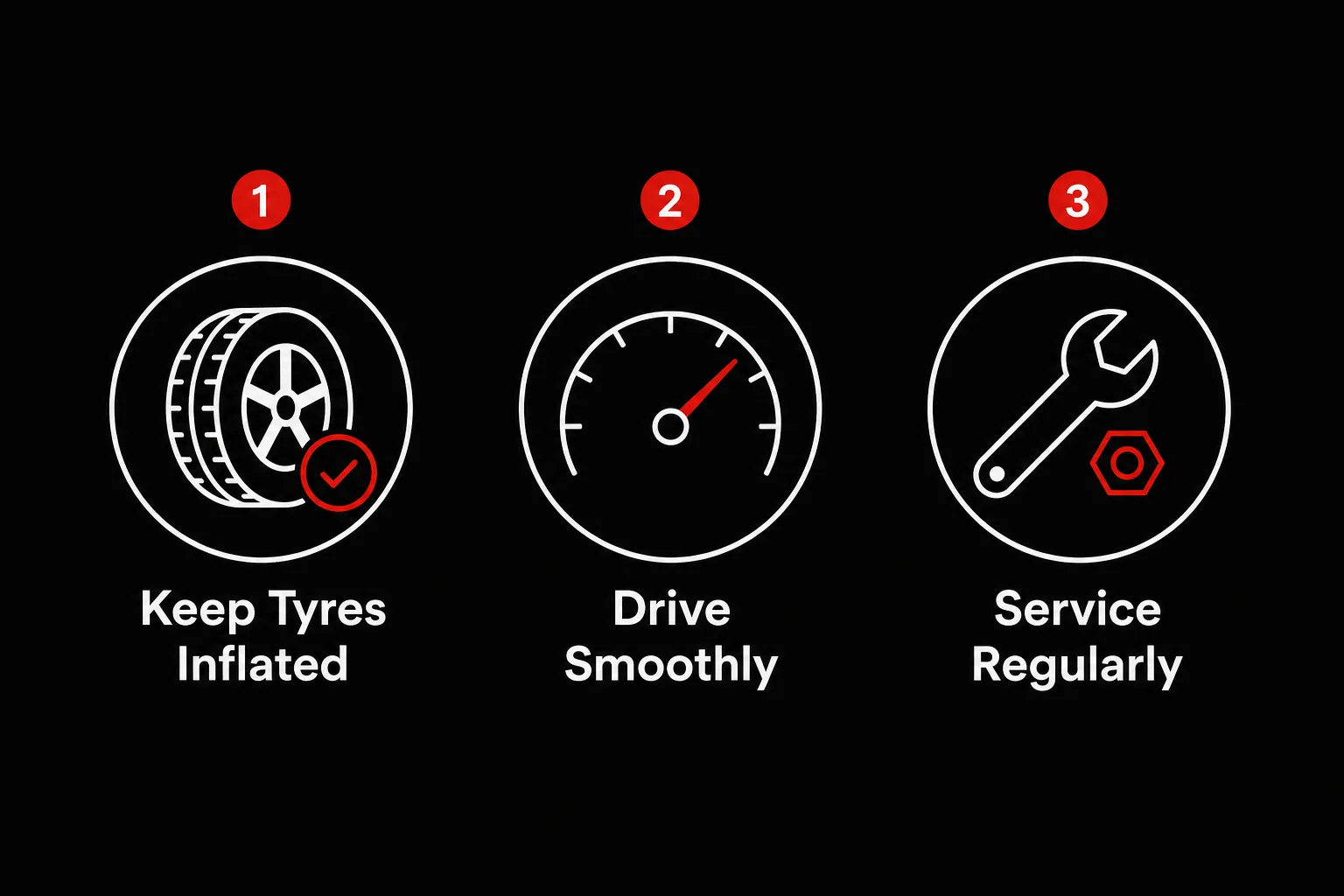
- Keep your tyres at the right pressure. Under-inflated tyres increase rolling resistance, which makes the engine work harder. Check tyre pressure every two to three weeks.
- Avoid harsh acceleration and braking. Smooth, steady driving can improve fuel economy by 10 to 15 percent on city roads.
- Change engine oil on schedule. Old, dirty oil creates more friction inside the engine and increases fuel consumption.
- Get a full service when due. Blocked air filters, worn spark plugs, and clogged injectors all reduce efficiency quietly over time.
If your car is due for a service, this is a good time to book one. AutoSpot offers mechanical servicing, oil changes, and full check-ups in Lahore - keeping your car in shape is one of the most practical ways to offset higher fuel costs.